




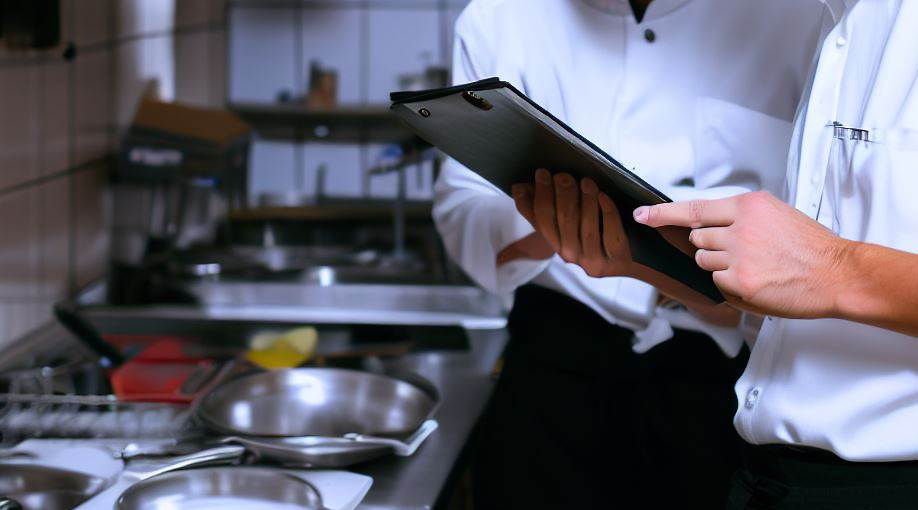
In industrial kitchens, standardization of processes and quality control not only ensures food safety and hygiene but also helps increase productivity, reduce waste, and optimize resources. Adhering to standards and maintaining strict quality control from planning and sourcing raw materials to production, packaging, and product delivery is essential. Given the intense competition in the food industry, these practices have become a key factor for success.
1. Importance of Process Standardization
Process standardization involves creating clear instructions, methods, and rules for every activity in an industrial kitchen. Its main benefits include:
- Consistent product quality: All staff and equipment follow the same procedures, ensuring reliable and uniform final products.
- Reduction of errors and waste: Clear processes minimize human mistakes and raw material waste.
- Improved productivity: Standardized processes shorten operation times and optimize resource use.
- Compliance with international regulations: Many standards, such as HACCP and ISO 22000, require process standardization.

2. Designing Standard Operating Procedures (SOPs)
Developing SOPs is a critical step in standardization. Every activity, from receiving raw materials to preparation, cooking, packaging, and delivery, should include precise and measurable instructions, covering:
- Raw materials and storage conditions: Type, quality, production and expiration dates, temperature, and humidity.
- Preparation processes: Washing, chopping, mixing, and timing of operations.
- Cooking and heat treatment: Temperature, duration, sequence of operations, and equipment control.
- Personnel hygiene and safety: Use of protective clothing, handwashing, and maintaining safe distances.
- Packaging and storage: Packaging type, storage conditions, and handling.
3. Quality Control of Raw Materials
The quality of the final product largely depends on raw materials. Quality control of raw materials includes:
- Incoming inspection: Visual checks, technical evaluations, and health assessments.
- Microbiological and chemical tests: Ensuring materials are free from microbial contamination, chemicals, or allergens.
- Documentation: Recording each batch for traceability in case of issues.
4. Quality Control During Production
Quality control must continue throughout all production stages, including:
- Process control: Monitoring temperature, humidity, operation time, and other key parameters.
- Semi-finished product control: Checking physical and sensory characteristics like color, texture, and taste.
- Final product inspection: Ensuring compliance with quality standards, proper packaging, and labeling.
5. Waste Management and Process Improvement
Process standardization helps reduce waste by identifying weak points and inefficient procedures, enabling corrective actions:
- Adjusting the production sequence to minimize waste.
- Training staff to follow procedures accurately.
- Using precise equipment to control temperature and timing.
6. Implementation of Quality Management Systems (QMS)
Many industrial kitchens use QMS for comprehensive quality control and standardization. These systems include software and methods to record, monitor, and report quality data. Benefits include:
- Full traceability from raw materials to final delivery.
- Statistical analysis of quality data to identify trends and critical points.
- Support for international standards such as ISO 9001 and HACCP.

7. Training and Quality Culture
Without trained staff, no standardization system can succeed. Continuous training, fostering a quality culture, and motivating employees are key to successful quality control. Staff should understand that strict adherence to procedures ensures customer safety, reduces waste, and improves productivity.
8. Use of Modern Technologies
Modern technologies, such as temperature and humidity sensors, automated production systems, and quality management software, play a vital role in standardization and quality control. These technologies enable real-time process monitoring, accurate data recording, immediate alerts, and minimize human errors.
9. Benefits of Standardization and Quality Control
Implementing process standardization and quality control in industrial kitchens provides multiple benefits:
- Ensures product quality and food safety.
- Reduces raw material waste and optimizes costs.
- Increases customer trust and brand credibility.
- Minimizes legal risks and ensures compliance with national and international regulations.
- Improves operational efficiency and staff performance.
10. Conclusion
Standardization of processes and quality control in industrial kitchens is a strategic necessity that enhances productivity, profitability, and brand reputation. By developing precise operating procedures, continuously monitoring raw materials and products, implementing quality management systems, training staff, and leveraging modern technologies, industrial kitchens can elevate product quality to global standards while optimizing resource usage.