




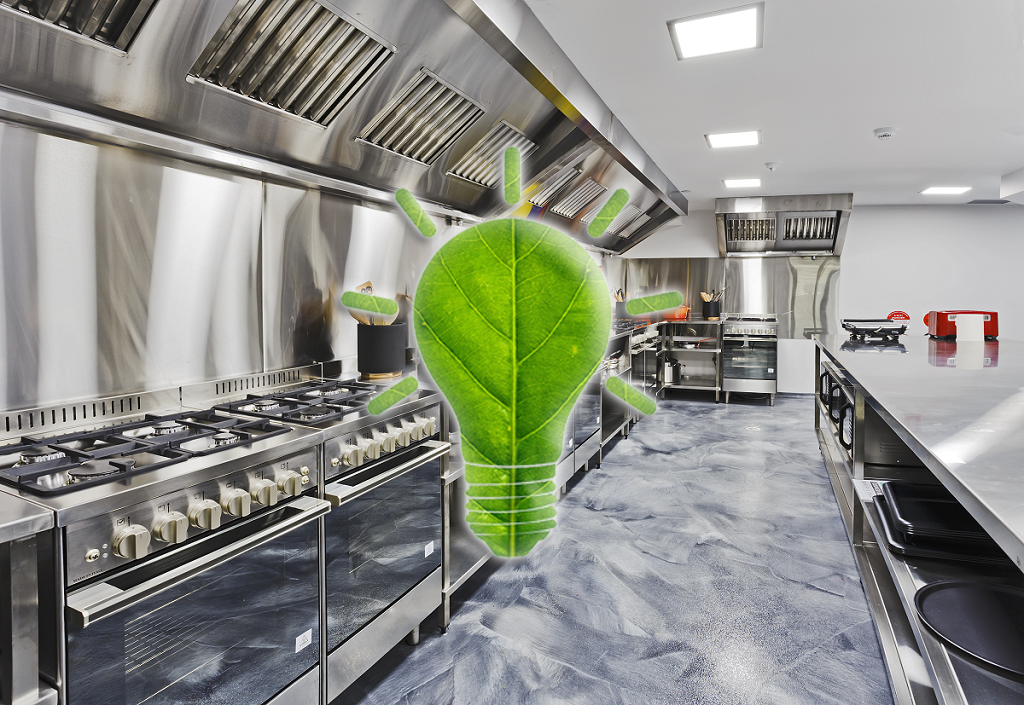
Industrial kitchens are a crucial part of the food industry, where high energy and resource consumption directly impacts operational costs and overall productivity. Optimal management of energy and resources not only reduces costs but also supports sustainable development and minimizes environmental impacts. Today, modern technologies, smart software, and scientific methods enable maximum efficiency in energy and resource use in industrial kitchens.
1. Importance of Energy Management
Energy consumption in industrial kitchens includes electricity, gas, and water, with major equipment such as ovens, fryers, refrigerators, and ventilation systems accounting for most of the usage. Proper energy management reduces operational costs, extends equipment lifespan, and mitigates financial risks. It also aligns with international standards and environmental regulations, enhancing brand credibility.
2. Energy Audits and Consumption Analysis
The first step in energy management is conducting an energy audit, examining all energy sources to identify usage patterns. Advanced measurement tools and data analysis software help pinpoint energy waste, providing a basis for process improvements and energy optimization. Audits assess equipment, operating hours, water consumption, and heating/cooling systems.
3. Equipment Optimization
Kitchen equipment is the main energy consumer. High-efficiency, energy-optimized equipment should be selected and installed, including ovens, fryers, refrigerators, and preparation machines. Using high-efficiency HVAC systems and modern refrigeration technology reduces energy use while ensuring food quality and safety.
4. Automation and Smart Systems
Automation and smart monitoring systems allow real-time tracking of energy consumption and precise adjustment of parameters like temperature, pressure, fan speed, and operating time. This enables energy use to match production levels and prevents waste. Smart systems also provide alerts for abnormal consumption to facilitate rapid optimization.
5. Water and Other Resource Management
Water use is a significant cost and resource factor. Water-saving systems, wastewater recycling, and optimized cleaning processes reduce potable water usage. For example, controlled-pressure washing systems and recycling wash water for non-critical processes can save significant resources. Resource management also includes raw material control, minimizing food waste, and optimizing packaging.
6. Energy Management Systems (EMS)
Implementing an EMS involves collecting energy consumption data, analyzing equipment performance, and producing regular reports, enabling scientific decision-making and continuous optimization. EMS includes preventive maintenance planning, controlling lighting and HVAC systems based on actual needs, and setting energy performance indicators, helping kitchen managers achieve cost and energy efficiency both short- and long-term.

7. Training and Culture
Human factors are crucial. Operators and staff must be trained in energy efficiency, equipment management, and waste identification. Proper training, regular checklists, and adherence to operational standards reduce energy consumption and extend equipment life. Incentives and performance reporting further enhance energy optimization.
8. Integrated Efficiency and Continuous Monitoring
Maximizing efficiency requires a combined approach: equipment optimization, automation, resource management, staff training, and continuous monitoring. Real-time and periodic monitoring of key energy and resource indicators allows process adjustments and rapid decision-making. Data analysis over time helps identify trends and further optimization opportunities.
9. Benefits of Energy and Resource Management
Implementing energy and resource management systems offers multiple benefits:
- Significant reduction in operational costs and energy consumption.
- Extended equipment lifespan and reduced maintenance costs.
- Reduced waste and optimized use of raw materials and water.
- Improved product quality and compliance with international standards.
- Enhanced social responsibility and environmental compliance.
- Increased operational productivity and transparency.
10. Conclusion
Energy and resource management in industrial kitchens is a key pillar for increasing productivity, reducing costs, and achieving sustainable operations. Through energy audits, optimized equipment, smart systems, resource management, and staff training, maximum efficiency and quality can be achieved. This systematic approach not only boosts profitability but also supports sustainable development and corporate social responsibility. Implementing comprehensive energy management is a strategic investment with long-term economic and environmental returns.