





The design and implementation of industrial kitchens go far beyond the simple arrangement of equipment and worktables. This process is a precise and multidimensional engineering activity that must simultaneously address three key aspects: operational performance, safety, and hygiene.
As the operational heart of large restaurants, hotels, food production factories, and catering facilities, industrial kitchens require integrated and standardized designs to ensure food production is carried out efficiently, safely, and hygienically.
The primary objective of standardized design is to increase productivity, reduce health and safety risks, and ensure consistent quality and reliability in food service delivery.
Engineering Principles of Industrial Kitchen Design
A successful industrial kitchen begins with a thorough needs assessment and detailed analysis of operational processes. At this stage, factors such as menu type (hot, cold, or mixed), daily production volume, number of staff, operating hours, and special dietary requirements are defined.
Based on this data, the workflow is designed to ensure logical and efficient movement of staff and raw materials throughout the kitchen. Proper workflow design helps minimize operational conflicts, reduce wasted time, and prevent cross-contamination.
One of the most important engineering principles is functional zoning of spaces. For example, preparation, cooking, washing, storage, and serving areas must be clearly separated to reduce contamination risks while improving efficiency.
Additionally, incoming and outgoing paths for raw materials and finished products must be separated to maintain a smooth and hygienic workflow.
Ergonomics is another critical design factor; equipment, worktables, and shelving must be positioned to minimize physical strain on staff while providing maximum accessibility throughout working shifts.

Compliance with Global Standards
A professional and standardized industrial kitchen design must comply with international food safety and hygiene frameworks. Adhering to global standards not only ensures food quality and safety but also enables kitchens to obtain local and international health and operational certifications.
Key standards applied in the design and implementation of industrial kitchens include:
Food Safety Management and HACCP
Hazard analysis and identification of critical control points throughout the food production process, reducing risks related to food contamination and foodborne illnesses.
Fire Safety and Protection Standards
Design of ventilation hoods, fire suppression systems, and emergency exit routes to protect staff and equipment from fire hazards.
Occupational Safety Standards
Ensuring safe distances between equipment, adequate lighting, proper ventilation, and emergency alarm systems to create a safe and compliant working environment.
Hygiene Standards and Material Selection
Use of stainless steel or equivalent hygienic materials for food-contact surfaces to prevent bacterial growth and microbial contamination.
Compliance with these standards ensures that the kitchen is legally approved, hygienically certified, and provides a safe, organized, and easily monitored working environment for personnel.
Physical Space and Equipment Design
One of the most critical engineering stages is the design of physical spaces and kitchen equipment. Equipment layout must be planned to optimize cooking and production processes while minimizing staff movement and physical effort.
Key principles in space and equipment design include:
Logical Equipment Layout
Placing equipment in accordance with the production sequence—from raw material preparation to food presentation—reduces unnecessary movement, increases production speed, and lowers staff fatigue.
Use of Washable and Hygienic Materials
All work surfaces, tables, and equipment must be made of corrosion-resistant and non-porous materials to allow easy cleaning and disinfection.
Ventilation and Temperature Control Systems
Installation of industrial hoods, ducted exhaust fans, and proper ventilation systems removes excess heat, smoke, and steam, creating a safe and comfortable working environment.
Fire Suppression and Safety Systems
Installation of fire extinguishing equipment, gas shut-off valves, and alarm systems is essential to mitigate potential fire risks.
Proper Lighting
Adequate lighting is crucial for accurate task execution and food quality inspection, helping reduce operational errors.
Proper design of these elements not only meets legal requirements but also significantly improves operational efficiency while reducing staff stress and fatigue.
Professional Installation and Commissioning
Industrial kitchen engineering does not end at the design stage. Professional installation and commissioning of equipment and systems are essential parts of the process. Even the best design cannot achieve optimal efficiency and quality without precise execution and standardized installation.
Installation and commissioning stages include:
Accurate Installation of Mechanical, Electrical, and Ventilation Systems
All equipment must be installed according to approved designs and thoroughly inspected for performance and safety.
Operational Testing Under Real Conditions
Testing equipment and systems under actual operating conditions ensures all devices function efficiently and without defects.
Training of Operating Personnel
Staff must be fully trained in equipment operation, safety procedures, and hygiene practices to ensure error-free and incident-free daily operations.
Professional commissioning ensures that the kitchen is fully operational from day one, delivering maximum efficiency, safety, and quality.
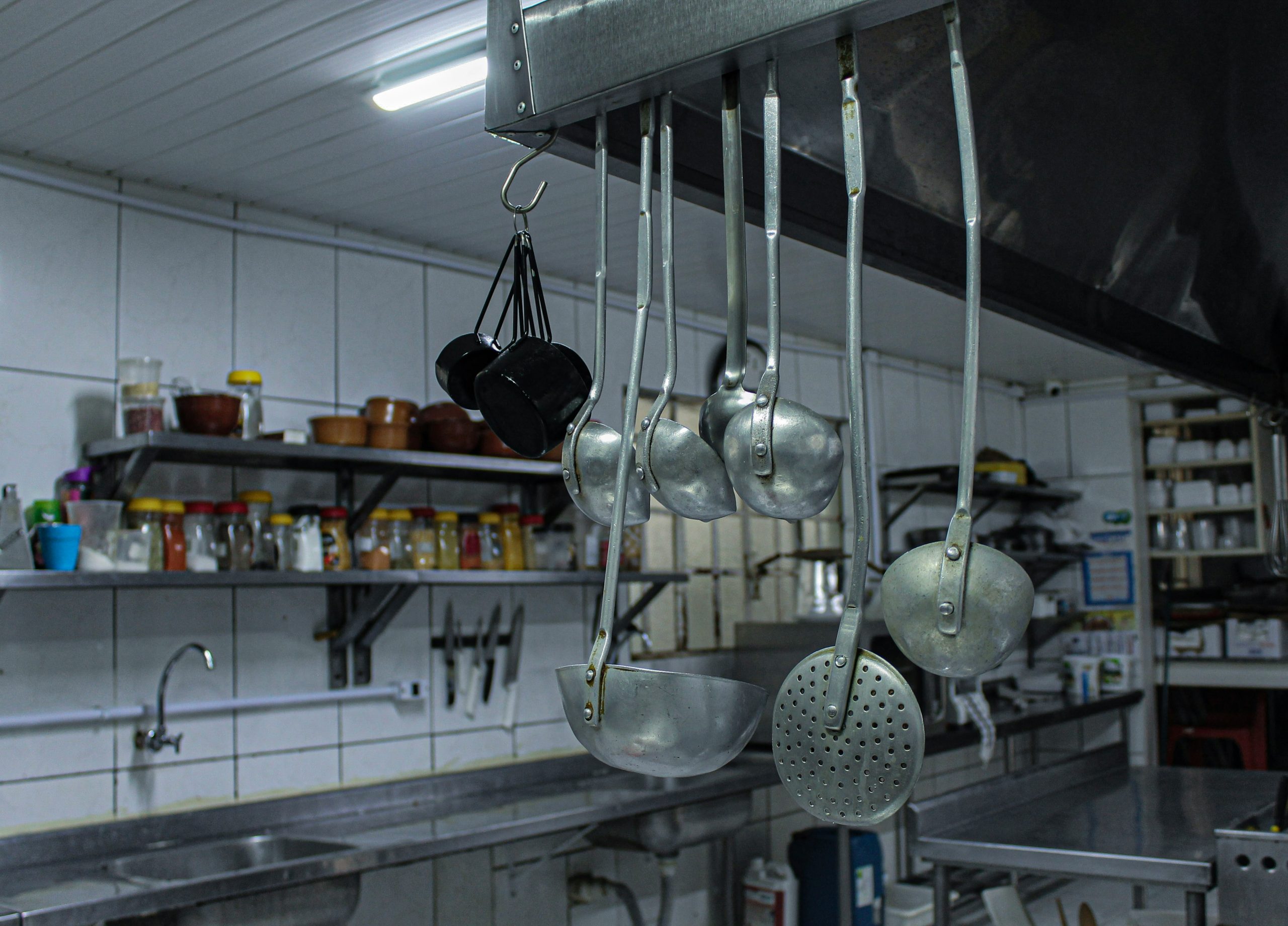
Importance of Standardized Engineering Design
An industrial kitchen designed in accordance with global standards offers numerous advantages, including:
-
Reduced production time and improved workflow
-
Lower energy consumption and optimized manpower utilization
-
Consistent and reliable food quality
-
A safe and hygienic working environment for staff
-
Easier operational management and process monitoring
In essence, standardized engineering design forms the foundation of operational success for any food production facility, directly impacting customer satisfaction, profitability, and employee safety.
Conclusion
The design and implementation of industrial kitchens is a complex and multidimensional process that requires the integration of engineering expertise, global standards, and operational experience. From needs analysis and workflow design to equipment selection, compliance with health and safety standards, optimal space planning, and professional installation, every stage must be executed with precision and coordination.
A standardized industrial kitchen not only guarantees optimal performance and high-quality food production but also creates a safe, hygienic, and controllable working environment, enabling sustainable growth for businesses in the food industry.